
Details That Define Completed Spaces
Finish Carpentry and Interior Woodwork in Womelsdorf for trim installation, crown molding, wood handrails, and decorative finishing
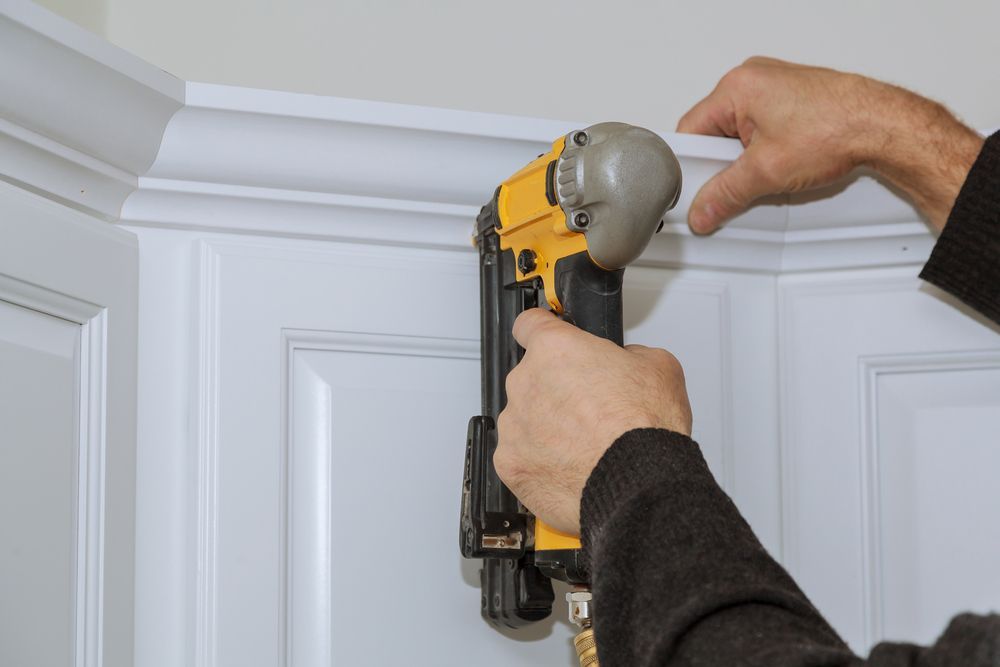
Pennsylvania homes built decades ago often feature intricate woodwork that adds character unavailable in modern construction, but remodeling projects sometimes remove or damage original trim during wall modifications and layout changes. Crown molding installed precisely shows clean miter joints at corners without gaps, while poorly cut trim creates visible separations that widen as wood shrinks seasonally. VRW Contracting LLC provides finish carpentry and custom interior woodwork throughout residential spaces in Womelsdorf, completing trim installations, handrail fabrication, and decorative details that define remodeled kitchens, bathrooms, stairways, and living areas after structural and surface work finishes.
Finish carpentry happens after drywall, painting, and flooring are complete, protecting these surfaces while trim gets cut, fit, and fastened. The work involves measuring wall angles that rarely form perfect 90-degree corners, adjusting miter cuts to compensate, and using coping techniques for inside corners that remain tight even as materials shift slightly with humidity changes throughout the year.
Arrange an on-site consultation to review trim options and discuss custom woodwork details before your renovation reaches the finishing phase.
Why Precise Fitting Matters for Interior Woodwork
Crown molding installation requires cutting compound angles that account for both horizontal and vertical planes simultaneously, with the molding positioned upside-down against the saw fence to replicate its installed orientation. Baseboards receive coped inside corners where the profile of one piece is cut to overlap the face of another, creating joints that remain closed when wood expands in summer humidity or contracts during winter heating cycles common in Pennsylvania.
Once finish carpentry completes, trim transitions between walls and ceilings appear as continuous lines without breaks or shadow gaps at corners. Running your hand along baseboards and door casings feels smooth, with no protruding nail heads or splintered edges, and stained woodwork displays consistent color and grain pattern across matched pieces. Wood handrails follow stair angles precisely without wobbling, providing secure support, and decorative elements like chair rails sit level around entire rooms rather than dipping or rising to follow uneven walls.
Custom woodwork services extend beyond standard trim to include built-in details tailored to homeowner preferences and architectural styles, with options ranging from simple window stools and aprons to elaborate mantel surrounds and wainscoting installations. The approach varies based on whether existing trim throughout the home follows traditional profiles that require matching or whether remodeled spaces introduce contemporary styles with simpler lines and wider reveals.
What Property Owners Usually Ask
Homeowners considering finish carpentry additions often want to understand material options and how woodwork integrates with other completed surfaces.
What separates quality trim installation from rushed finish work?
Careful installations show miter joints cut accurately enough that corners meet without gaps, nail holes filled and sanded smooth before finishing, and trim pieces fit tightly against walls without requiring excessive caulk to hide separation.
How does wood selection affect trim appearance and durability?
Primed MDF works well for painted applications and resists warping but cannot be stained, while solid wood accepts stain to highlight natural grain patterns but requires careful selection to avoid knots and defects in visible areas.
Why do some trim pieces show gaps after installation?
Wood expands and contracts with seasonal humidity swings in Pennsylvania, and trim installed during summer may shrink slightly in winter heating seasons, making tight initial fitting critical to minimizing visible separation during dry months.
When should finish carpentry happen during a remodeling schedule?
Trim installation occurs last, after all painting is complete and flooring is installed, preventing damage to finished woodwork during other trades' activities and ensuring trim covers flooring edges cleanly.
What custom woodwork options add character to remodeled spaces?
Crown molding at ceiling lines, wainscoting along lower walls, and built-up door casings create visual interest and architectural detail that distinguishes carefully finished spaces from standard contractor-grade installations.
VRW Contracting LLC completes custom finish carpentry and interior woodwork for residential properties throughout Womelsdorf, adding trim, crown molding, handrails, and decorative elements that define completed remodeling projects. Request a consultation to explore finish carpentry possibilities for your kitchen, bathroom, or whole-home renovation.